

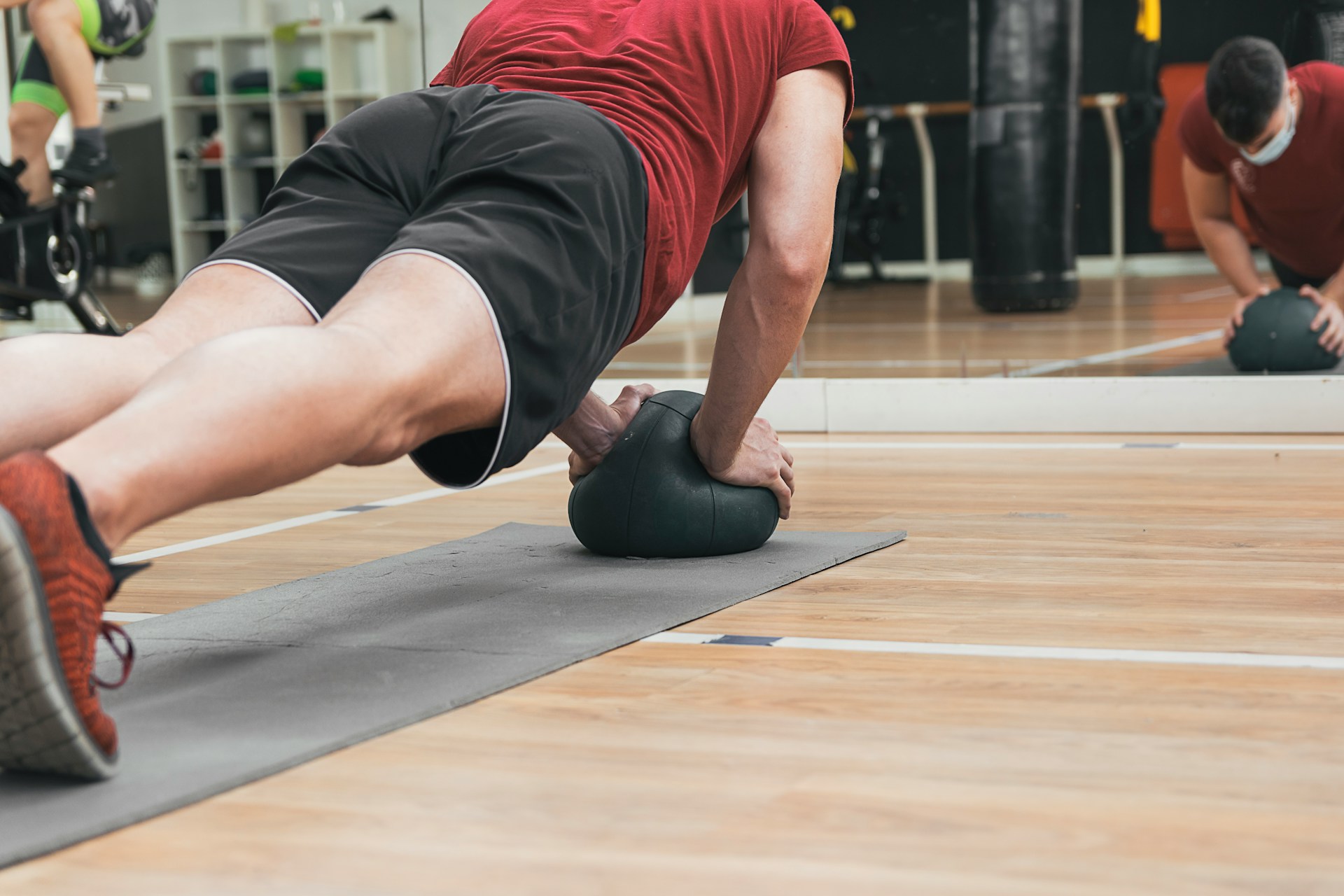
Think you need a gym card to build muscle? Think again. Staying active isn’t about fancy equipment; it’s about consistency and intensity. Whether you’re a busy executive or a student watching your wallet, home workouts provide a no-nonsense path to a stronger body. This guide highlights practical hacks and proven bodyweight exercises designed to help you hit your goals without leaving the house.
Your home should be your sanctuary for self-improvement, but sometimes space can be a limiting factor. If your current residence doesn’t offer the room you need to stretch out and sweat, it might be time for a change. The team at Ascend Real Estate & Property Management can help you find a property that fits your specific needs, ensuring your living environment supports your active habits.
Ready to get started? We’ll teach you how to program a balanced routine, leverage your furniture for added resistance, and stay disciplined even when motivation wanes. These strategies are designed to save you time and set you up for long-term success.
Home Workouts Demystified
Why Working Out at Home Works
Home workouts have surged in popularity, thanks to streaming platforms, fitness apps, and social media trainers. But the appeal goes beyond convenience. With the right bodyweight exercises and creative use of your space, you can build muscle, burn calories, and improve your mental health without leaving home.
Benefits include:
- Cost savings (no monthly fees)
- Time efficiency (no commute, no waiting for machines)
- Personal comfort (exercise at your pace, in your space)
- Flexibility (workout anytime, anywhere)
Common Misconceptions About Home Workouts
Many people believe you need special equipment or a huge space to see results. The truth? Consistency and proper technique matter more than fancy gear. What counts, is choosing a program that fits your lifestyle and committing to it.
Building a Bodyweight Routine That Delivers
Essential Bodyweight Exercises
One of the best things about home workouts is the use of bodyweight exercises. These require minimal space and no equipment while providing a full-body workout.
Here are some must-try moves:
- Push-ups: Strengthen your chest, shoulders, and triceps
- Squats: Target quads, glutes, and hamstrings
- Lunges: Build single-leg power and balance
- Plank: Core stabilization for abs and lower back support
- Glute bridges: Sculpt your glutes and hamstrings
- Burpees: Elevate heart rate and burn fat fast
These exercises can be mixed and matched for upper body, lower body, and core circuits.
Structuring Your Routine
Aim for 2–4 circuits of 6–10 exercises, repeating each move for 30 seconds to 1 minute with 15–30 seconds rest in between. Gradually increase the intensity by adding reps or rounds as you improve.
Sample circuit:
- 1-minute squats
- 1-minute push-ups
- 1-minute mountain climbers
- 1-minute plank
- 1-minute lunges
- Rest 1–2 minutes; repeat 2–3 times
Creative Fitness Hacks for Home Training
Making the Most of What You Have
You don’t need a full gym setup. Everyday objects provide resistance and variety:
- Backpack: Fill with books for weight; use for squats, rows, or step-ups.
- Chair: Ideal for triceps dips, incline push-ups, or Bulgarian split squats.
- Towel: Great for sliding lunges on hard floors or adding grip resistance.
- Stairs: Use for step-ups, calf raises, or cardio intervals.
Small prompts, like setting your workout clothes out the night before, also help you stick to routines.
Using Technology to Your Advantage
Fitness apps, YouTube channels, and wearables track progress, provide guided routines, and keep things fresh. Many offer programs sorted by goal, duration, or level, making it easy to get started—with or without subscriptions.
Keeping Motivation High at Home
Setting Progress Goals
Without the buzz of a busy gym, home fitness calls for self-discipline. Set realistic and measurable targets, such as:
- Completing a set number of push-ups daily
- Holding a 2-minute plank by the end of the month
- Exercising a minimum number of days per week
Logging your progress in a notebook or app builds momentum and keeps you accountable.
Finding Variety and Community
Boredom can stall progress. Try new routines, challenge friends virtually, or participate in online fitness communities. Many offer weekly challenges, leaderboards, and live classes to boost engagement.
Adapting Home Workouts for All Levels
Beginner Modifications
If you’re new, start with modified exercises to build confidence and prevent injury:
- Push-ups on knees instead of toes
- Half squats or assisted squats using a chair
- Lower time intervals and increase rest periods
Progressing Over Time
Once basic workouts feel manageable, level up by:
- Adding explosive movements (jump squats, push-ups)
- Increasing tempo or time under tension
- Incorporating single-limb moves (single-leg glute bridges, pistol squats)
Listening to your body and adjusting workouts ensures long-term improvement without overtraining.
Nutrition and Recovery for Home Fitness
Fueling Your Workouts
Eating well supports your efforts. Focus on balanced meals with:
- Lean proteins
- Whole grains
- Fresh vegetables and fruits
- Hydration (aim for eight glasses of water per day)
A pre-workout snack, such as a banana or nuts, can provide energy for high-intensity sessions.
Rest and Regeneration
Adequate recovery prevents injury and promotes gains. Incorporate stretching, foam rolling, or yoga on rest days, and aim for 7–9 hours of sleep per night.
Taking Action and Staying Consistent
A successful home fitness routine is about more than just exercise. It’s about weaving effective bodyweight exercises, creative fitness hacks, and mindful habits into your daily life.
Start with these tips:
- Choose 6–8 bodyweight exercises for a weekly workout mix
- Add simple equipment or props for variety
- Use tech tools to stay organized and inspired
- Adapt exercises as your fitness grows
- Track progress and celebrate milestones
Consistent effort will yield real results, helping you look, feel, and move better, all without stepping foot in a gym.