

Your home’s electrical system works quietly behind the walls every single day—powering your lights, appliances, and devices without a second thought. But when something goes wrong, the consequences can be serious. Electrical fires cause thousands of house fires across the United States each year, and many are preventable with the right knowledge and habits.
Understanding home electrical hazards isn’t just for electricians. Homeowners who take the time to recognize warning signs, follow basic safety guidelines, and know when to call a professional are far better protected than those who don’t. This guide covers six essential areas of electrical safety that every homeowner should understand—from everyday habits to the warning signs that demand immediate attention.
Whether your home is decades old or newly built, these practices can protect your family, your property, and your peace of mind. If you have concerns about your home’s wiring or panel, learn more about professional electrical services in your area.
1. How to Identify Common Home Electrical Hazards Before They Escalate
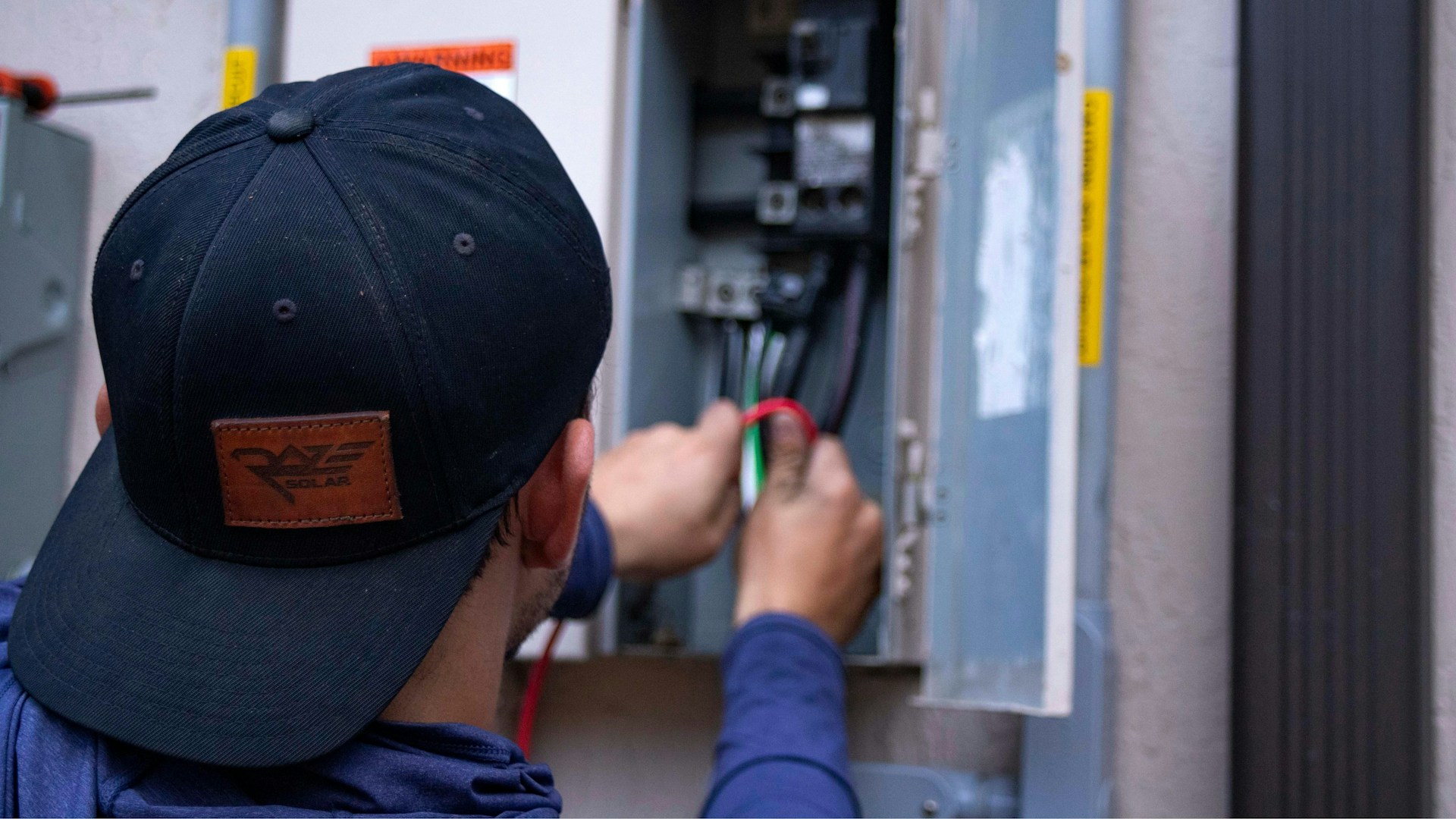
Electrical problems rarely appear out of nowhere. Most home electrical hazards give warning signs well before they become dangerous. The key is knowing what to look for.
Warning signs to watch for:
- Flickering or dimming lights, especially when appliances are running
- Outlets or switches that feel warm to the touch
- Burning smells near outlets, panels, or appliances
- Frequently tripping circuit breakers
- Discolored or blackened outlet covers
- Buzzing or crackling sounds coming from walls or fixtures
These symptoms often indicate overloaded circuits, loose connections, or outdated wiring—all of which pose real fire and shock risks. Older homes, in particular, may still rely on wiring systems that were never designed for today’s electrical demands. Aluminum wiring, knob-and-tube systems, and outdated panels are common in homes built before the 1980s.
If you notice any of these signs, do not ignore them or attempt to diagnose the problem yourself. Contact a licensed electrician for a proper inspection.
2. Why Overloaded Circuits Are One of the Most Dangerous Electrical Safety Mistakes
Plugging in “just one more” device is a habit most of us have. But overloaded circuits are among the leading causes of residential electrical fires, and they’re entirely avoidable.
A circuit is designed to handle a specific load. When that load is exceeded—through the use of too many high-wattage appliances, power strips, or extension cords—the wiring overheats. That heat can ignite surrounding materials inside your walls before any visible signs appear.
How to avoid overloading your circuits:
- Spread high-wattage appliances (microwaves, dryers, air conditioners) across separate circuits
- Avoid “daisy chaining” power strips—plugging one into another to create more outlets
- Use extension cords only as temporary solutions, never as permanent wiring
- Know the amperage capacity of each circuit in your home (a licensed electrician can help with this)
- Replace any power strips with built-in surge protectors to add a layer of safety
If your breakers trip regularly, that’s your electrical system’s way of telling you it’s overwhelmed. A professional can assess whether you need additional circuits or a panel upgrade.
3. Electrical Safety Guidelines for Kitchens, Bathrooms, and Outdoor Spaces
Not all rooms carry the same electrical risks. Areas where water is present—kitchens, bathrooms, laundry rooms, and outdoor spaces—require specific safety guidelines because water and electricity are an especially dangerous combination.
Kitchens and Bathrooms
Outlets near sinks and water sources must be equipped with Ground Fault Circuit Interrupters (GFCIs). These specialized outlets detect irregularities in electrical current and shut off power within milliseconds, preventing electrocution. GFCIs are now required by code in all wet areas of new homes, but older homes may not have them.
GFCI safety checklist:
- Test GFCI outlets monthly by pressing the “test” and “reset” buttons
- Replace any GFCI outlet that does not respond to testing
- Ensure all outlets within six feet of a water source are GFCI-protected
- Never use standard outlets in these areas as substitutes
Outdoor Electrical Safety
Outdoor outlets should be protected by weatherproof covers and GFCI protection. Any outdoor wiring must be rated for exterior use. Avoid running extension cords through doors or windows where they can be pinched—damaged insulation on cords creates serious shock and fire hazards.
4. How to Handle Electrical Panels and Circuit Breakers Safely
Your electrical panel is the control center of your home’s electrical system. Understanding how it works—and how to interact with it safely—is a fundamental part of home electrical safety.
What every homeowner should know about their panel:
- Know where it is. In an emergency, you need to be able to cut power quickly.
- Label every breaker clearly. Each breaker should correspond to a specific room or appliance. Unlabeled panels lead to confusion and unsafe guesswork.
- Never ignore a tripping breaker. A breaker that trips repeatedly is signaling a problem—not a nuisance to reset and forget.
- Do not replace fuses or breakers with higher-rated ones. This removes the protection the system was designed to provide.
- Keep the area around your panel clear. Storing flammable materials near your panel is a serious fire risk.
Panels that are over 25 years old, show signs of rust or damage, or cannot meet the electrical demands of your household should be evaluated by a licensed electrician. Outdated panels, including certain brands with known defects, have been linked to fire hazards and may not be covered by home insurance.
5. Safe Practices for DIY Electrical Work—and When to Stop
Plenty of homeowners are comfortable tackling home improvement projects on their own. Some minor electrical tasks—like replacing a light fixture or swapping a standard outlet—can be done safely with the right precautions. But electrical work carries real risks, and the line between manageable and dangerous is often harder to see than it looks.
What You Can Safely Do Yourself
- Replace a light fixture (after cutting power at the breaker and confirming it’s off with a voltage tester)
- Swap a standard outlet with a GFCI outlet in the same location
- Replace a faulty light switch
What You Should Leave to a Licensed Electrician
- Any work involving your electrical panel
- Adding new circuits or outlets
- Rewiring rooms or running wire through walls
- Installing hardwired appliances (ranges, dryers, EV chargers)
- Diagnosing recurring electrical issues
Before any DIY electrical work, always follow these electrical safety steps:
- Turn off the breaker for the circuit you’re working on
- Use a non-contact voltage tester to confirm the power is off
- Work with one hand when possible to reduce the risk of shock
- Never work on electrical components in wet conditions
- Use tools with insulated handles rated for electrical work
When in doubt, stop. The cost of a professional is far less than the cost of a mistake.
6. Long-Term Electrical Safety: Maintenance, Upgrades, and Professional Inspections
Electrical safety isn’t a one-time task—it’s an ongoing responsibility. Homes age, electrical demands grow, and standards evolve. Staying ahead of potential issues is far easier (and less expensive) than responding to an emergency.
Routine Maintenance Tips
- Inspect cords and plugs regularly. Frayed cords, cracked insulation, and bent prongs should be replaced immediately—not taped over.
- Test smoke detectors monthly and replace batteries annually. Hard-wired detectors should be inspected every 10 years.
- Check outlet condition. Loose outlets that allow plugs to fall out can cause arcing, which is a fire hazard.
- Avoid running cords under rugs. Covered cords trap heat and can cause fires without any visible warning.
When to Schedule a Professional Inspection
Consider scheduling a professional electrical inspection if:
- Your home is more than 40 years old and has never been rewired
- You’re purchasing a new home
- You’ve recently completed a major renovation
- You’re adding high-demand appliances like EV chargers or HVAC systems
- Your household has grown significantly, increasing electrical demand
A licensed electrician can identify risks that aren’t visible to the untrained eye, bring your home up to current code, and recommend upgrades that improve both safety and efficiency.
Electrical Safety Starts With Knowing When to Act
Electrical hazards are rarely dramatic until they are. Most home electrical fires and shocks result from slow-building problems—outdated wiring, ignored warning signs, overloaded circuits—that were never addressed. The good news is that most of these risks are manageable when caught early.
Start with the basics: know your panel, respect wet areas, avoid overloading circuits, and take warning signs seriously. For anything beyond simple maintenance, trust a licensed electrician to do the job safely and correctly. A professional inspection costs far less than the alternative.
If you’re in the Tacoma, Puyallup, or Graham area and want an expert eye on your home’s electrical system, learn more about professional inspections and electrical services available near you.