

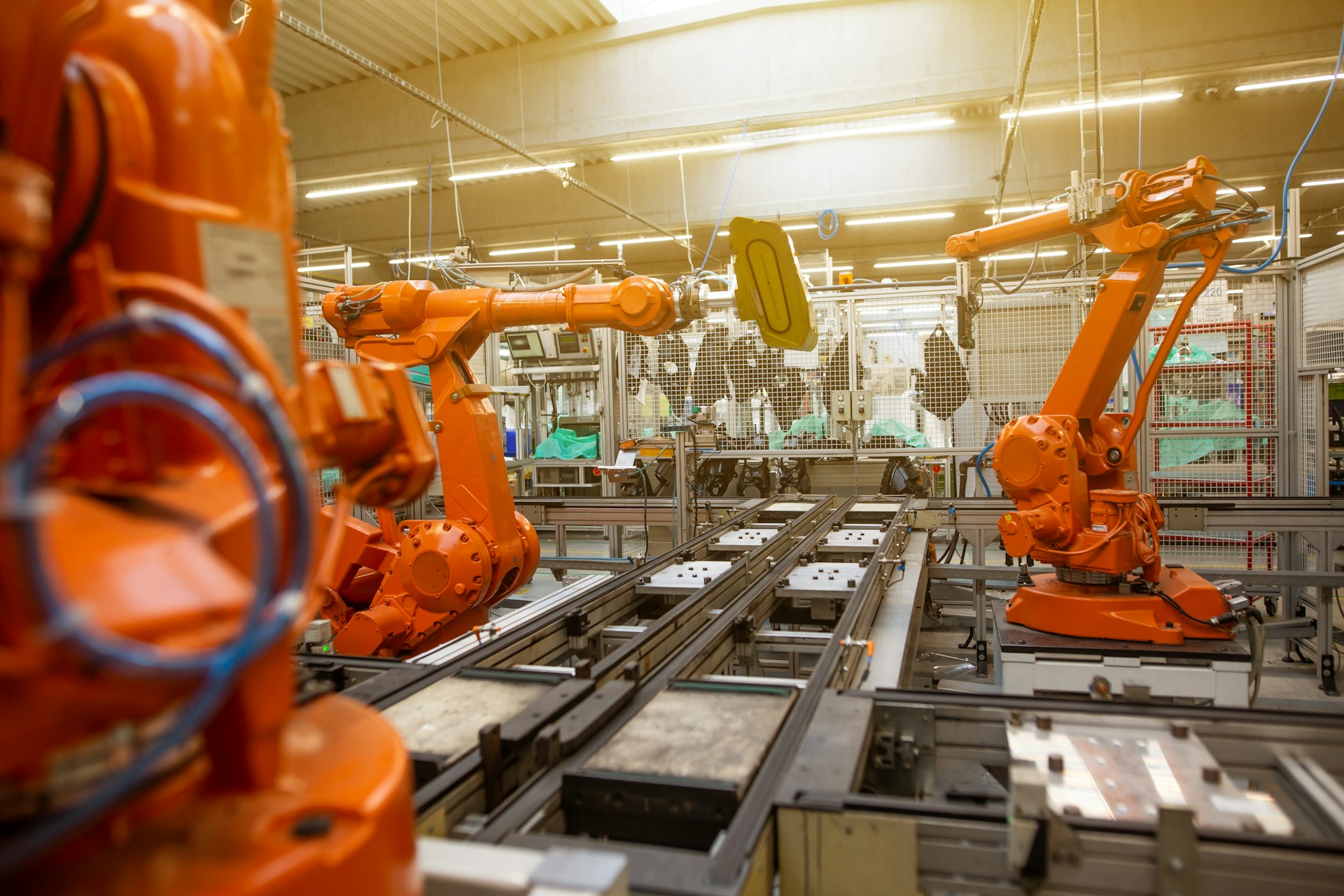
Manufacturers face constant pressure to produce more, waste less, and deliver faster. Rising labor costs, tight deadlines, and growing customer expectations make it harder than ever to stay competitive. For many facilities, the answer lies in smarter, faster, and more reliable technology.
Automation has moved from a nice-to-have to a business necessity. It helps companies eliminate bottlenecks, reduce errors, and free up their teams for higher-value work. From assembly lines to warehouses, automated systems are reshaping how goods are made and moved.
This post breaks down how these technologies drive real results. You’ll learn what industrial automation involves, how it improves operational efficiency, and what to consider before investing. By the end, you’ll have a clear picture of how automation can transform your operations.
What Is Industrial Automation?
Industrial automation uses control systems, machinery, and software to perform tasks with minimal human intervention. It replaces repetitive manual processes with precise, programmable equipment that runs consistently around the clock.
At its core, industrial automation combines several key elements:
- Control systems such as programmable logic controllers (PLCs) that direct equipment
- Sensors and actuators that detect conditions and trigger responses
- Software platforms that monitor, coordinate, and optimize processes
- Robotics and machinery that handle physical tasks like lifting, sorting, and packing
Together, these components create a connected environment where machines communicate and adjust in real time. The result is a production line that runs faster, safer, and with far greater accuracy than manual methods allow.
Why Operational Efficiency Depends on Automation
Efficiency is the difference between a plant that thrives and one that struggles to keep up. Automation directly improves operational efficiency by removing the slow, error-prone steps that drag down productivity.
Consider a few of the biggest gains:
- Faster cycle times: Machines work at consistent speeds without breaks or fatigue.
- Fewer errors: Automated systems follow exact instructions, reducing costly mistakes.
- Better resource use: Precise processes cut down on wasted material and energy.
- Predictable output: Consistent performance makes planning and forecasting easier.
When repetitive tasks are handled by reliable equipment, your workforce can focus on problem-solving, quality control, and continuous improvement. That shift often delivers value well beyond the initial efficiency boost.
How Material Handling Systems Move Products Smarter
Moving products through a facility is one of the most labor-intensive parts of any operation. Modern material handling systems solve this challenge by automating the flow of goods from one stage to the next.
Conveyors and Sortation
Conveyor systems form the backbone of many automated facilities. They transport items quickly and safely, connecting workstations without manual carrying. Sortation technology takes this further by directing products to the right destination automatically.
Robotics and Automated Storage
Robotic arms handle picking, packing, and palletizing with speed and precision. Automated storage and retrieval systems (AS/RS) maximize vertical space while delivering items on demand. These solutions shrink footprints and speed up order fulfillment.
Integrated Controls
The real power comes from integration. When conveyors, robots, and storage systems share data, they work as one coordinated unit. This connectivity reduces delays and keeps products moving without interruption.
Key Benefits of Investing in Automation
The advantages of automation extend across nearly every part of a business. While efficiency often gets the headlines, the ripple effects reach much further.
Some of the most impactful benefits include:
- Lower operating costs through reduced labor and material waste
- Improved workplace safety by removing people from hazardous tasks
- Higher product quality thanks to consistent, repeatable processes
- Greater scalability to meet demand spikes without major disruption
- Stronger data insights that support smarter decision-making
Over time, these benefits compound. A facility that adopts automation early positions itself to grow faster and respond more nimbly than competitors still relying on manual methods.
What to Consider Before Automating Your Facility
Automation delivers strong returns, but success depends on thoughtful planning. Rushing into a project without a clear strategy can lead to wasted spending and underused equipment.
Before you begin, weigh these factors:
- Identify bottlenecks: Pinpoint the processes that slow you down the most.
- Set clear goals: Define what success looks like, whether that’s speed, cost, or quality.
- Plan for scalability: Choose systems that can grow alongside your business.
- Consider integration: Make sure new equipment connects with existing workflows.
- Budget realistically: Account for installation, training, and ongoing maintenance.
Partnering with an experienced provider makes this process far smoother. A knowledgeable partner can assess your needs, recommend the right technology, and design a solution built around your goals. Companies like bostonconveyorandautomation.com specialize in creating scalable, robust systems tailored to specific operations.
How to Future-Proof Your Operations
Technology evolves quickly, and today’s cutting-edge system can feel outdated within a few years. Building flexibility into your automation strategy protects your investment and keeps you competitive.
To stay ahead, focus on these priorities:
- Choose modular systems that can be upgraded or expanded easily
- Prioritize data collection to unlock insights and predictive maintenance
- Invest in team training so your workforce can adapt to new tools
- Monitor performance regularly to spot opportunities for improvement
A future-ready facility doesn’t just react to change—it anticipates it. By treating automation as an ongoing journey rather than a one-time purchase, you set your operation up for long-term success.
Turning Efficiency Into a Competitive Edge
Automation is no longer reserved for the largest manufacturers. Businesses of every size now use it to cut costs, boost output, and deliver better products. The companies that embrace these tools today will be the ones leading their industries tomorrow.
The path forward starts with a single step: assessing where your operation loses time and money. From there, the right automation partner can help you design a solution that grows with you. Start small, plan carefully, and scale with confidence—your future efficiency depends on the decisions you make now.