

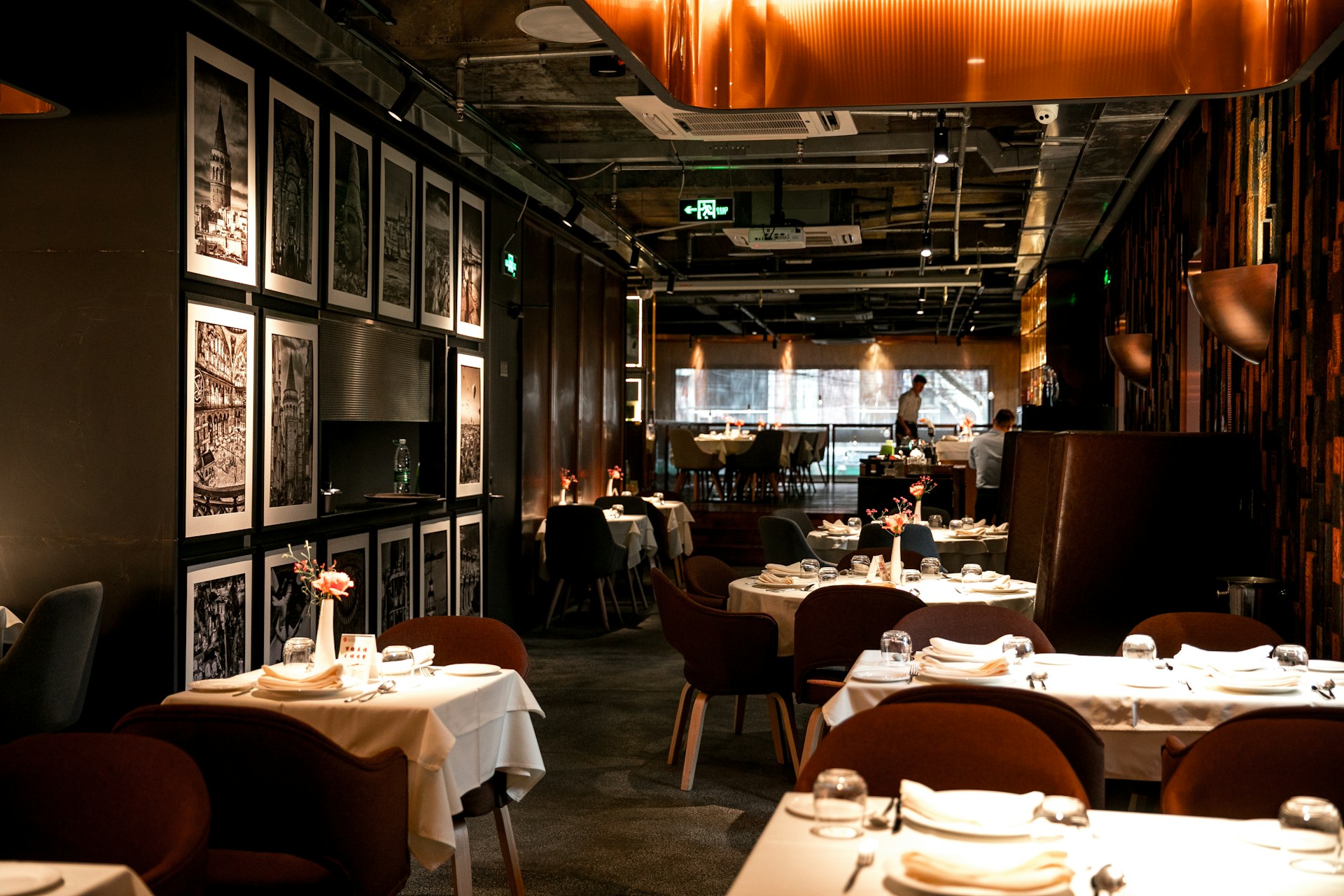
The right furniture can transform a restaurant from ordinary to extraordinary. When guests walk through your doors, they’re not just looking for exceptional food—they’re seeking an atmosphere that makes them want to stay, return, and recommend your establishment to others. The foundation of that atmosphere? Carefully selected restaurant tables and chairs that balance comfort, durability, and aesthetic appeal.
Successful restaurant design requires more than selecting attractive pieces. You need furniture that withstands heavy daily use, supports your brand identity, and creates an environment where guests feel comfortable enough to linger. Whether you’re opening a new venue or refreshing an existing space, understanding how to choose and arrange dining furniture can significantly impact your bottom line.
This guide explores the essential elements of selecting contract furniture for commercial dining spaces, from material considerations to layout strategies that maximize both comfort and profitability.
Understanding the Role of Contract Furniture in Restaurant Design
Contract furniture differs fundamentally from residential pieces. Built specifically for commercial environments, these pieces must endure constant use while maintaining their appearance and structural integrity. Restaurant owners who invest in quality contract furniture often find that their initial investment pays dividends through reduced replacement costs and enhanced guest satisfaction.
Durability Requirements for High-Traffic Environments
Commercial dining spaces experience wear that would destroy typical household furniture within months. Chairs get pulled in and out dozens of times daily. Tables support heavy plates, endure spills, and withstand frequent cleaning with commercial-grade products. Quality contract furniture addresses these challenges through reinforced joints, commercial-grade finishes, and materials specifically chosen for their resilience.
Balancing Aesthetics with Functionality
Your furniture choices communicate your brand’s personality before guests taste a single dish. A rustic steakhouse requires different seating than a modern sushi bar or casual café. The challenge lies in finding pieces that capture your vision while meeting practical needs like ease of cleaning, stackability for private events, and appropriate sizing for your space.
Key Considerations When Selecting Restaurant Tables
Tables serve as the centerpiece of any dining experience. Their size, shape, and material affect everything from the number of guests you can accommodate to the ambiance you create.
Table Size and Shape for Optimal Space Planning
Round tables encourage conversation and work well for smaller parties, though they can be less space-efficient than rectangular options. Square tables offer flexibility—they can accommodate solo diners or be pushed together for larger groups. Rectangular tables maximize seating capacity and create clean sight lines through your dining room.
Consider your typical party size when planning your mix. Fast-casual restaurants might prioritize two-tops and four-tops, while fine dining establishments often need more six-tops and options for larger celebrations.
Material Selection for Longevity and Maintenance
Your choice of table surface impacts both maintenance requirements and guest perception:
- Solid wood tops provide warmth and character, but require regular maintenance
- Laminate surfaces offer durability and easy cleaning with extensive design options
- Metal tops create an industrial or modern aesthetic while withstanding heavy use
- Stone or composite materials deliver upscale appeal with minimal maintenance needs
Choosing Restaurant Chairs That Balance Comfort and Design
Uncomfortable seating drives guests away, regardless of food quality. Yet chairs must also complement your design vision and withstand years of commercial use.
Ergonomic Design for Extended Dining Experiences
The ideal dining chair supports the lower back, allows feet to rest flat on the floor, and provides armrests at an appropriate height (when included). Seat depth matters—too shallow feels unstable, while too deep prevents proper back support. Test chairs yourself by sitting for 30-45 minutes before making large purchases.
Material and Construction Considerations
Different dining concepts call for different chair materials:
- Wood frames offer timeless appeal and can be refinished as needed
- Metal chairs provide durability with modern or industrial styling
- Upholstered seating enhances comfort but requires more maintenance
- Molded plastic or resin options work well for casual, high-volume establishments
Look for commercial-grade construction features like reinforced joints, heavy-duty hardware, and finishes designed to resist scratches and moisture.
Creating Cohesive Restaurant Interior Design
Your furniture selections should work together to create a unified dining environment that supports your concept and brand identity.
Establishing a Clear Design Direction
Before selecting specific pieces, define your overall aesthetic. Are you pursuing industrial chic, coastal casual, elegant contemporary, or rustic farmhouse? Your restaurant interior design choices—including furniture, lighting, and décor—should reinforce this vision consistently throughout the space.
Consider how your furniture choices complement other design elements:
- Color palette coordination between seating, walls, and accents
- Material mixing that adds visual interest without creating chaos
- Scale and proportion that suits your ceiling height and room dimensions
- Texture variation that prevents the space from feeling flat or monotonous
Maximizing Space Efficiency Without Sacrificing Comfort
Strategic furniture placement directly impacts your revenue potential. Too much seating in too small a space creates uncomfortable dining experiences. Too few tables leave money on the table. Finding the right balance requires careful planning:
- Allow 18-24 inches between chair backs at neighboring tables
- Create clear pathways at least 36 inches wide for service staff
- Position tables to maximize natural light and views
- Plan for accessible seating that meets ADA requirements
- Consider flexible options like movable tables for private events
Sourcing Quality Dining Furniture Wholesale
Furnishing a restaurant represents a significant investment. Working with dining furniture wholesale suppliers can provide better value while ensuring you receive commercial-grade pieces designed for restaurant use.
Benefits of Working with Specialized Suppliers
Wholesale furniture providers that specialize in commercial dining understand the unique demands of restaurant environments. They offer:
- Volume pricing that reduces per-unit costs significantly
- Commercial warranties that protect your investment
- Customization options for sizes, finishes, and fabrics
- Lead time transparency for planning openings or renovations
- Replacement part availability for maintaining pieces over time
Evaluating Quality Before Purchase
Not all wholesale furniture meets the same standards. Request samples, examine construction details, and ask about manufacturing processes. Look for established suppliers like Sunpan that maintain consistent quality standards and stand behind their products with meaningful warranties.
Maintaining Your Investment for Long-Term Success
Even the highest-quality restaurant furniture requires proper care to maintain its appearance and functionality throughout years of service.
Establishing Regular Maintenance Protocols
Create a maintenance schedule that includes:
- Daily cleaning with appropriate products for each material type
- Weekly inspections for loose hardware, wobbling legs, or damaged surfaces
- Monthly deep cleaning of upholstered pieces and hard-to-reach areas
- Quarterly tightening of all bolts and screws on tables and chairs
- Annual refinishing or touch-ups as needed to maintain appearance
Planning for Strategic Replacements
Budget for gradual furniture replacement rather than waiting until pieces fail. Rotating out the most worn items every few years maintains a consistently fresh appearance and prevents sudden, large expenses when multiple pieces fail simultaneously.
Building Spaces That Keep Guests Coming Back
Exceptional restaurant design extends beyond selecting attractive furniture. It requires understanding how every element—from table height to chair comfort to overall layout—contributes to the guest experience you want to create.
The most successful restaurants view their furniture as an investment in guest satisfaction rather than simply a necessary expense. Quality contract furniture that balances aesthetics, comfort, and durability becomes the foundation for memorable dining experiences that build customer loyalty and drive positive word-of-mouth.
As you plan your space or consider updates, prioritize pieces that will serve your guests well for years to come. The right furniture decisions made today will continue paying dividends long into the future through reduced replacement costs, enhanced guest comfort, and the cohesive atmosphere that sets exceptional restaurants apart from the competition.