

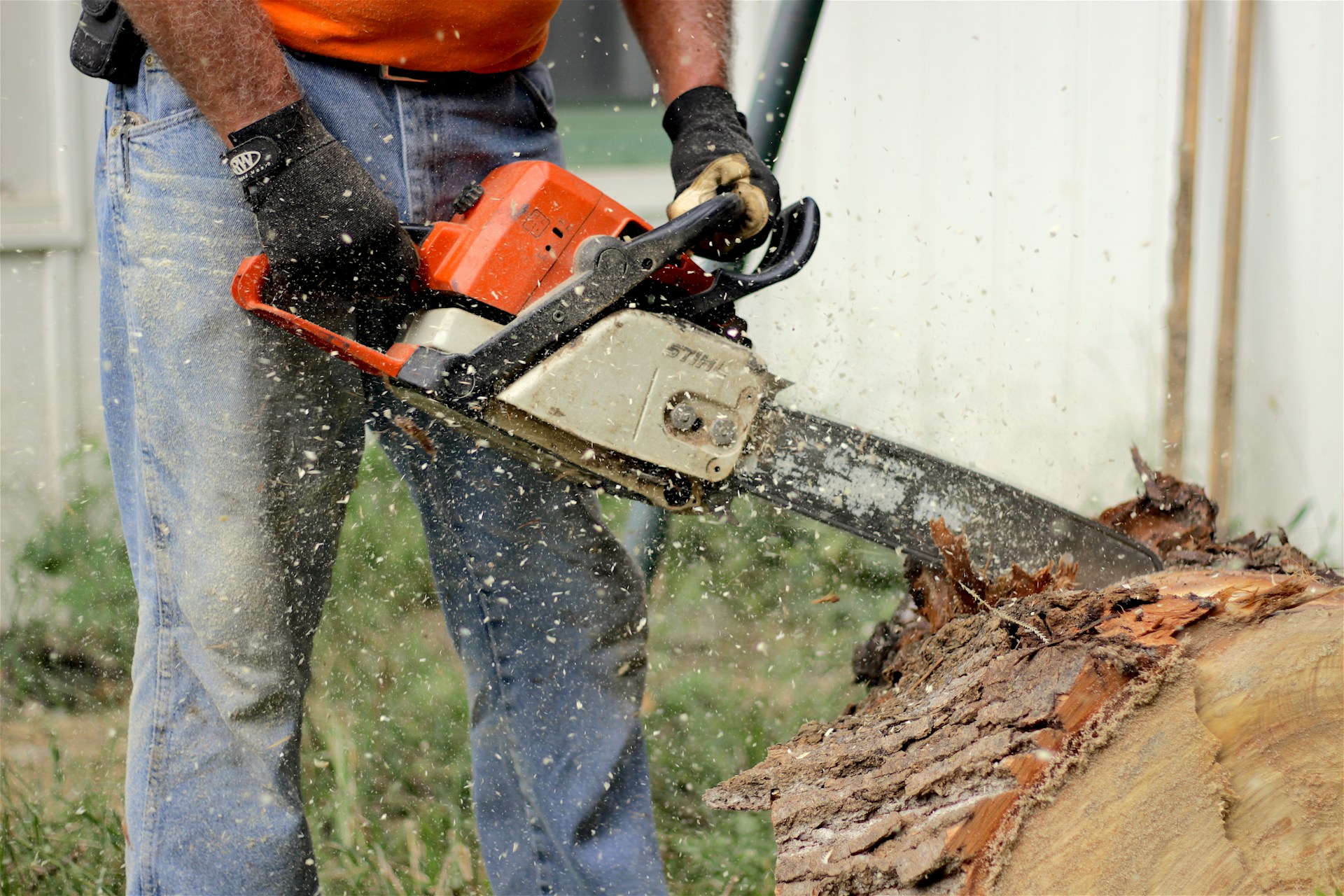
Outdoor power equipment works hard through the seasons, and proper chainsaw maintenance ensures it’s ready when you need it most. From mowers cutting through thick summer grass to snowblowers clearing winter driveways, these machines require regular care to perform reliably year after year.
Neglecting maintenance can lead to costly repairs, reduced performance, and shortened equipment lifespan. The good news? Most maintenance tasks are straightforward and can prevent major problems down the road. This guide covers essential maintenance tips for your lawn mowers, snowblowers, chainsaws, and other outdoor power equipment.
Pre-Season Preparation
Getting your equipment ready before peak use saves time and prevents frustration when you need it most.
Inspect for Damage
Check your equipment thoroughly before the season begins:
- Look for cracks, rust, or loose parts on the body and frame
- Examine belts and cables for wear or fraying
- Test all safety features and switches
- Verify that guards and shields are secure
- Check wheels and tires for damage or proper inflation
Clean Accumulated Debris
Remove dirt, grass clippings, and other buildup:
- Clear cooling fins and air vents to prevent overheating
- Remove debris from under mower decks
- Clean exhaust ports and mufflers
- Wipe down surfaces to spot potential issues
- Use compressed air for hard-to-reach areas
Test Run
Start your equipment and let it run for a few minutes:
- Listen for unusual noises or vibrations
- Check that all controls respond properly
- Observe for smoke or unusual smells
- Ensure smooth acceleration and consistent power
- Verify that safety features engage correctly
Engine Maintenance Essentials
The engine is the heart of your outdoor power equipment, and keeping it well-maintained ensures reliable performance.
Oil Changes
Regular oil changes protect internal engine components:
- Check the oil level before each use
- Change oil according to manufacturer recommendations (typically every 25-50 hours)
- Use the correct oil type for your equipment and climate
- Dispose of used oil properly at recycling centers
- Replace the oil filter if your equipment has one
Air Filter Service
A clean air filter improves engine performance and fuel efficiency:
- Inspect the air filter every 25 hours of operation
- Clean foam filters with soap and water, then lightly oil
- Replace paper filters when they are dirty or damaged
- Check for gaps around the filter housing
- Clean the filter cover and housing area
Spark Plug Care
Fresh spark plugs ensure reliable starting and smooth operation:
- Remove and inspect spark plugs annually
- Clean electrode buildup with a wire brush
- Check gap specifications using a gap tool
- Replace plugs showing wear or damage
- Keep a spare plug on hand for quick replacement
Fuel System Management
Proper fuel handling prevents many common problems:
- Use fresh fuel (gasoline degrades after 30 days)
- Add a fuel stabilizer for equipment stored for more than a month
- Drain fuel tanks before long-term storage
- Clean or replace fuel filters as recommended
- Use the correct fuel grade for your equipment
Blade and Cutting Equipment Care
Sharp, balanced blades make work easier and produce better results while reducing strain on your equipment.
Lawn Mower Blade Maintenance
Keep mower blades sharp and properly balanced:
- Sharpen blades 2-3 times per season or as needed
- Check for cracks, bends, or excessive wear
- Balance blades after sharpening to prevent vibration
- Replace severely damaged or worn blades
- Tighten blade bolts to manufacturer specifications
Chainsaw Chain Sharpening
A sharp chain cuts efficiently and safely:
- Inspect chain tension before each use
- Sharpen teeth when cutting becomes difficult
- Maintain proper file angle for your chain type
- Check depth gauges and file down if necessary
- Replace chains showing significant wear or damage
Trimmer Line and Heads
Maintain string trimmers for clean, efficient cuts:
- Replace worn or broken trimmer line
- Clean grass buildup from trimmer heads
- Inspect for cracks in the spool housing
- Ensure proper line length extends from the head
- Lubricate the trimmer head moving parts
Seasonal Storage Best Practices
Proper storage protects your equipment during off-season periods and ensures it starts easily when needed again.
End-of-Season Cleaning
Thoroughly clean equipment before storage:
- Remove all grass, dirt, and debris
- Wash and dry exterior surfaces
- Touch up scratched or chipped paint to prevent rust
- Apply light oil to metal surfaces for corrosion protection
- Clean beneath mower decks and inside chutes
Fuel Considerations
Manage fuel properly to prevent carburetor problems:
- Run the equipment dry or add fuel stabilizer
- Fill tanks if using stabilizer (prevents condensation)
- Label containers with fuel type and date
- Store gasoline in approved containers only
- Dispose of old fuel at hazardous waste facilities
Battery Maintenance
Keep batteries charged and ready:
- Remove batteries from equipment for winter storage
- Store batteries in a cool, dry location
- Charge batteries monthly during storage
- Clean terminals with a wire brush
- Check fluid levels in serviceable batteries
Storage Environment
Choose the right storage location:
- Store in a dry, covered area away from moisture
- Keep equipment off the ground to prevent rust
- Cover with tarps or equipment covers
- Store away from fertilizers and chemicals
- Ensure adequate ventilation in storage areas
Safety and Performance Checks
Regular safety inspections protect you and extend equipment life.
Safety Feature Testing
Verify all safety systems function correctly:
- Test blade engagement and disengagement mechanisms
- Check that engines stop when controls are released
- Ensure guards and shields are intact and secure
- Verify that the throttle and choke controls move freely
- Test emergency shut-off switches
Drive System Inspection
Keep your equipment moving smoothly:
- Check drive belts for cracks, glazing, or excessive wear
- Verify proper belt tension
- Lubricate wheel bearings and axles
- Inspect drive wheels and adjust as needed
- Test self-propelled systems for consistent operation
Fastener Tightening
Vibration can loosen hardware over time:
- Tighten loose bolts and screws
- Replace missing or damaged fasteners
- Check handle and control mounting points
- Secure engine mounting bolts
- Verify blade mounting hardware is tight
Professional Service and Repairs
Some maintenance tasks require professional expertise and specialized tools.
When to Seek Professional Help
Contact a service professional for:
- Carburetor cleaning or rebuilding
- Internal engine repairs
- Transmission or drive system issues
- Electrical system troubleshooting
- Major blade damage or replacement
Professional chainsaw maintenance and snowblower service can prevent costly breakdowns and ensure peak performance. Experienced technicians have the tools and knowledge to diagnose problems quickly and perform repairs correctly the first time.
Finding Quality Service
Choose a reputable service provider:
- Look for certified technicians with manufacturer training
- Ask about warranty coverage on repairs
- Request estimates before authorizing work
- Check reviews and ask for references
- Verify they service your equipment brand
Scheduling Annual Tune-Ups
Professional tune-ups catch problems early:
- Schedule service during off-peak seasons for faster turnaround
- Combine multiple pieces of equipment for efficiency
- Keep service records for warranty purposes
- Ask technicians to demonstrate proper maintenance
- Address small issues before they become major repairs
Maintain Your Investment for Years of Reliable Service
Regular maintenance keeps your outdoor power equipment performing at its best while preventing expensive repairs. By following these essential tips and establishing a consistent maintenance routine, you’ll extend equipment life and ensure it’s ready when you need it.
Remember that proper care includes both routine tasks you can handle yourself and professional service when needed. Whether you’re performing seasonal lawn mower repair, maintaining your chainsaw, or preparing your snowblower for winter, consistent attention pays dividends in reliability and longevity. For professional assistance with your outdoor power equipment needs, contact Larry’s Small Engines for expert service and repairs.